

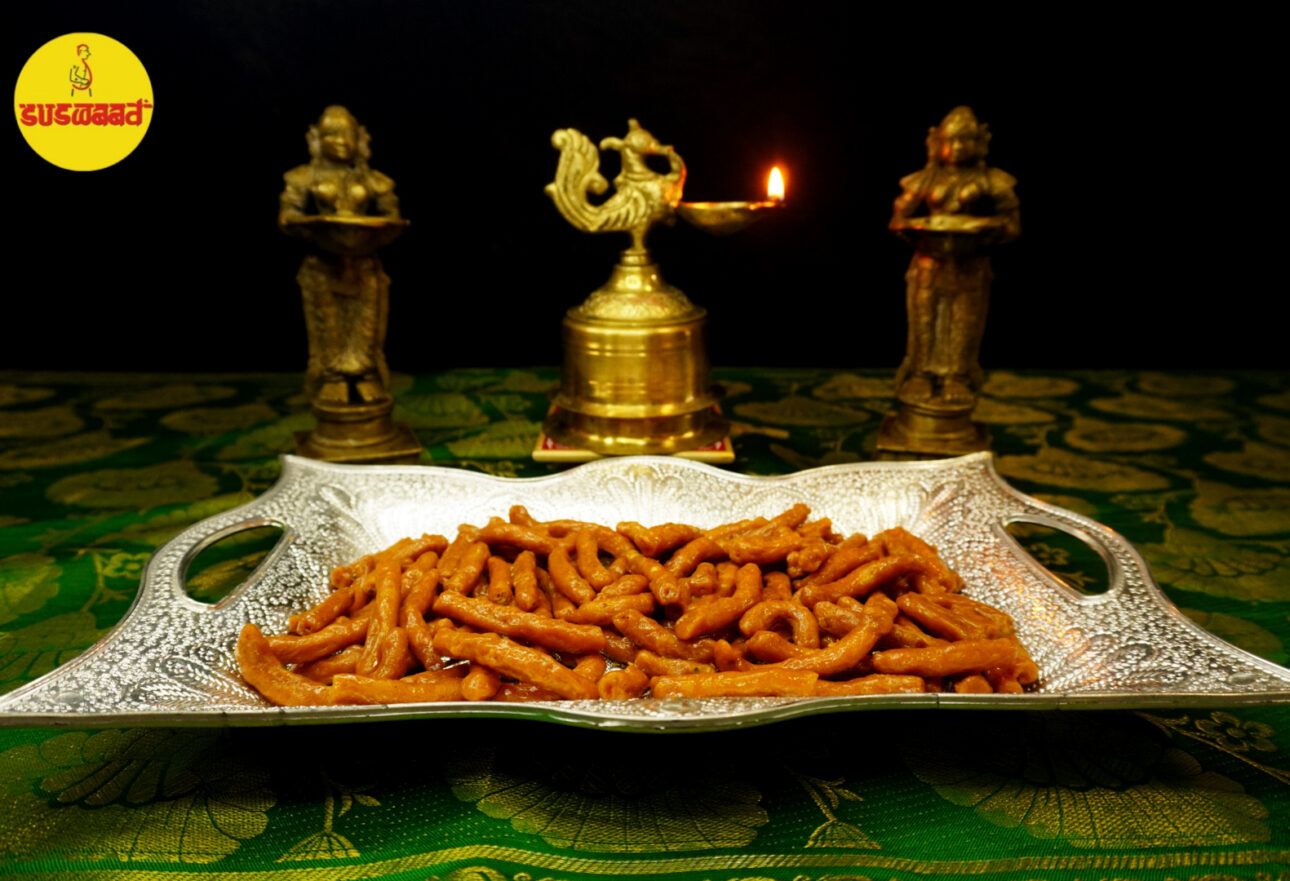
Why Traditional South Indian Savouries Feel Lighter, Fresher, and More Satisfying
South Indian savouries have always held a special place in everyday life. From evening tea-time snacks to festive platters and travel essentials, savouries like murukku, mixtures, ribbon pakoda, and thattai are woven into daily routines. What makes these snacks truly stand apart is not just their flavour, but the way they are prepared. When made the traditional, home-style way, South Indian savouries feel lighter, fresher, and far more satisfying.
Unlike mass-produced snacks, traditional savouries are guided by balance rather than speed. Every stage of preparation contributes to the final taste and texture, creating snacks that are enjoyable without feeling heavy or artificial.
Ingredient Choices Rooted in Home Kitchens
The quality of savouries begins with ingredient selection. In traditional South Indian kitchens, ingredients are chosen carefully, not for shelf life or appearance, but for taste and reliability. Rice flour, gram flour, lentils, spices, and oils are selected based on freshness and purity.
Flours are expected to be fine and consistent, spices aromatic rather than overpowering, and oils clean and fresh. These choices ensure that savouries develop flavour naturally, without the need for artificial enhancers. When ingredients are familiar and trustworthy, the final snack reflects that honesty.
At Suswaad, this approach remains central. Every savoury is made using ingredients one would confidently use in a home kitchen, maintaining both taste and integrity.
Balance Over Excess
One of the most noticeable differences in traditional savouries is balance. The spice level is measured, never overwhelming. Salt is present but controlled. Oil is used with care, ensuring crispness without greasiness.
Traditional recipes rely on subtle combinations of cumin, sesame seeds, curry leaves, ajwain, and mild chilli to enhance flavour without dominating it. This balance allows the natural taste of the flour and lentils to shine through, creating savouries that can be enjoyed repeatedly without fatigue.
This is why home-style savouries feel lighter on the palate and more satisfying, even in smaller quantities.
The Role of Texture in Savouries
Texture defines a good savoury. Murukku should snap cleanly without being hard. Mixtures should feel crunchy but light. Ribbon pakoda should be crisp yet delicate. Achieving this texture requires attention to dough consistency, shaping, and frying technique.
Traditional methods prioritise texture by allowing dough to rest, ensuring even mixing, and maintaining steady frying temperatures. These steps prevent common issues such as hardness, excessive oil absorption, or uneven cooking.
Texture is not accidental. It is the result of careful handling and experience passed down through generations.
Small-Batch Preparation for Consistency
In home kitchens, savouries are prepared in small batches. This allows better control over oil temperature and ensures even frying. Frying too many pieces at once can lower oil temperature and affect crispness.
Small-batch preparation also preserves freshness. Each batch receives individual attention, ensuring consistency in colour, crunch, and flavour. This approach may take more time, but it delivers superior results.
At Suswaad, savouries are prepared with this same philosophy, prioritising quality over quantity.
Freshness That Makes a Difference
Freshness is one of the most important factors in savoury quality. Traditional savouries are enjoyed at their best when freshly prepared and stored correctly. Over-processing or extended storage often dulls flavour and compromises texture.
Home-style preparation values freshness over long shelf life. By producing savouries in controlled batches and avoiding unnecessary processing, flavour and crunch are preserved naturally.
This focus on freshness ensures that every bite feels closer to snacks made at home rather than factory-produced alternatives.
Why Traditional Methods Still Matter Today
Modern snack production often focuses on uniformity and speed. While this may increase output, it frequently compromises taste and authenticity. Traditional savoury preparation allows for small adjustments based on feel, appearance, and aroma aspects that machines cannot fully replicate.
These traditional methods are not outdated. They remain relevant because they prioritise the eating experience. When savouries are made with patience and care, the result is noticeable in both flavour and texture.
At Suswaad, traditional techniques are respected and followed closely, ensuring savouries remain true to their roots while meeting modern quality expectations.
Savouries That Feel Like Home
South Indian savouries are more than snacks. They are comfort foods that connect people to familiar tastes and memories. When prepared authentically, they recreate the warmth of home kitchens and shared moments.
By focusing on honest ingredients, balanced flavours, careful preparation, and freshness, traditional savouries continue to stand apart. They feel lighter, taste cleaner, and deliver a satisfaction that mass-produced snacks cannot replicate.
That is why home-style South Indian savouries remain timeless, trusted across generations and enjoyed every day.